
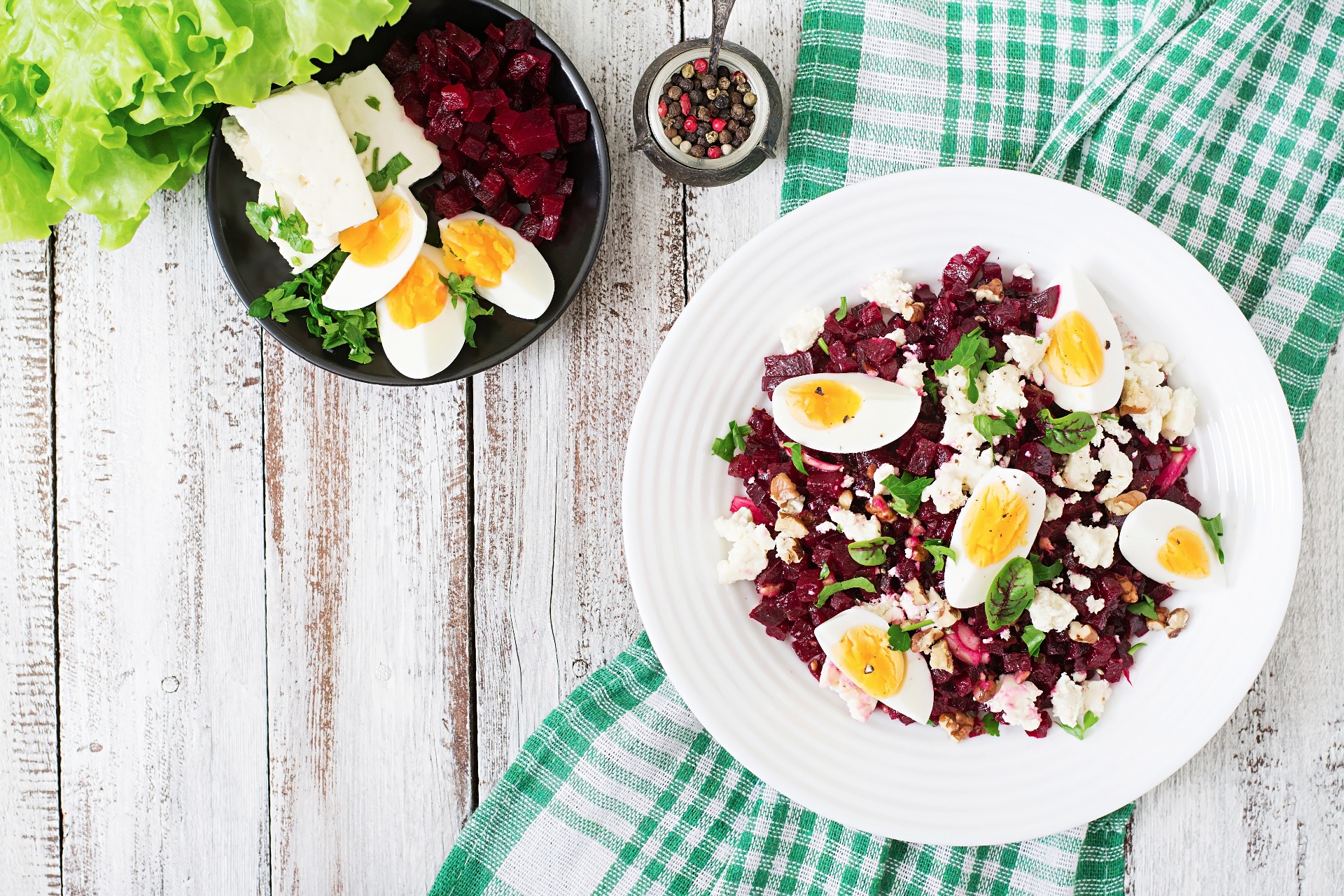
A day on the low FODMAP diet
Planning meals on the low FODMAP diet
Before reading this section, it may be helpful to read the Low FODMAP Guide page where I describe the core principles of the diet. I had the chance to follow the Low FODMAP diet myself, so I understand what it feels like to make sudden and sometimes daunting dietary changes. I followed the elimination phase properly and then alternated between elimination and reintroduction. This process helped me clearly identify which foods triggered my IBS symptoms.
During elimination, I discovered that I reacted strongly to foods containing mannitol — especially cauliflower, mushrooms and celery — all of which caused significant cramping. I also struggled with sorbitol in foods such as sweet corn and aubergine. Interestingly, things finally "clicked" as to why I would get IBS symptoms with certain "sugar-free" sweets or chewing gum. These products often contain mannitol and sorbitol, and although marketed as "sugar-free", they are highly processed, not ideal for the gut microbiome, and can still trigger an insulin response. I personally no longer consume them.
I also found that I tolerated lactose-free dairy much better — without the hydrogen breath symptoms and bloating I used to experience with regular milk. Fructans (such as onions) triggered milder symptoms in moderate amounts, and higher doses of GOS foods caused bloating and occasional flare-ups. So, for me, the main culprits were mannitol and sorbitol, with some sensitivity to fructans, GOS and lactose.
Because I had suffered for so long, I developed a real fear of reintroduction. Although the Low FODMAP diet is only meant to be followed strictly for 6–8 weeks, it took me six months before I had the courage to reintroduce foods. Eventually I did.
After reintroduction, things took an interesting turn. I started tolerating GOS foods, fructans and sorbitol in low to moderate portions. Over time, I slowly increased the amounts, with only occasional flare-ups. Reintroduction often needs to be repeated — sometimes weeks later — and symptoms may improve with repeated exposure. Mannitol remained the most troublesome. Even now, higher doses can trigger IBS, although I continue challenging my gut from time to time. I eventually tolerated button mushrooms in small amounts, which felt like a personal victory.
One major learning point for me was the impact of combining multiple FODMAPs in the same meal. I noticed that the more FODMAPs stacked together, the more likely I was to flare. To this day, I'm conscious when planning meals not to overload them with multiple FODMAP categories at once. If I do make a high-FODMAP salad, I keep the portion small. Otherwise, I now enjoy a generally healthy and varied diet. I still struggle to reach 30g of fibre per day, especially from insoluble fibre, which tends to aggravate symptoms — so it's worth considering the type of fibre and not just the quantity.
Although Low FODMAP is intended to be short-term followed by reintroduction, many people (including myself) revert to it at times to help settle acute episodes. For example, if I have a long journey ahead, I avoid trigger foods for a day or two beforehand. Travel used to be difficult for me; I once experienced severe cramping on a flight that required medical attention. Since then, eating Low FODMAP for the 48 hours before travelling — and avoiding fizzy drinks during flights — has been extremely helpful. I usually ask for hot drinks such as tea on board. This approach has made travel less stressful and more manageable.
Hormones also affect symptoms. Not mixing too many FODMAPs together helps me particularly during the PMT phase. During menstruation, Low FODMAP combined with intermittent fasting has been especially helpful. As mentioned in other sections, I have endometriosis, and women with endometriosis can develop transient SIBO-like symptoms during the first few days of bleeding. My bloating and cramps improved dramatically when I paired fasting with Low FODMAP during those days.
A gastroenterologist once recommended that I remain on Low FODMAP for life, as long as I did not develop nutritional deficiencies. Personally, I would advise caution with such recommendations. The evidence does not support life-long Low FODMAP, and most people cannot determine on their own when they are drifting into deficiency. I would suggest working with your family doctor and/or dietitian to personalise a sustainable plan.
If you would like to learn how to navigate the three steps of the Low FODMAP diet, read the guide page for more detail.
My own journey has been eye-opening. It restored a sense of control over my IBS and allowed me to manage symptoms through lifestyle changes rather than relying solely on medication. The elimination phase was the hardest part, but once I saw symptom improvement, it felt worthwhile. Reintroduction was the true challenge. I was so relieved to finally be symptom-free that I was afraid to bring FODMAPs back. I avoided them for six months because I didn't want the symptoms to return. This fear is incredibly common and completely understandable.
However, reintroduction is a critical step. It prevents nutritional deficiencies, helps determine which foods you may now tolerate, and establishes which ones are still problematic. For many people, the gut adapts, and after the "reset", they can tolerate foods much better. My husband did the journey with me and now eats everything without issue. I describe his experience in the IBS section.
Below are some ideas for a full day on the Low FODMAP diet, from breakfast to dinner.
🌿 Breakfast Ideas (Low FODMAP)
1. Toast + Eggs + Greens
Enjoy a simple and filling breakfast: a slice of gluten-free toast with a fried or poached egg, served with cherry tomatoes and lettuce. For hot drinks, choose tea or coffee without milk or use lactose-free milk.
Note: I usually avoid most gluten-free breads as they tend to be ultra-processed, but occasionally they are fine during elimination.

2. Sourdough Swap (During Reintroduction Phase)
Once reintroducing foods, you may prefer a rye or wheat/rye sourdough instead of gluten-free breads. I now only eat real sourdough and I tolerate it well without symptoms.
3. Savoury Egg Breakfast (No Bread Needed)
Try a cheese omelette made with:
-
small amount of red pepper (allowed in small portions)
-
green part of spring onions
-
basil
-
small amount of mozzarella + cheddar
Serve with:
-
up to 2 teaspoons baked beans
-
60g avocado (FODMAP portional)
-
black pitted olives
I calculated these portions using the Monash FODMAP App.
2. Sourdough Swap (During Reintroduction Phase)
Once reintroducing foods, you may prefer a rye or wheat/rye sourdough instead of gluten-free breads. I now only eat real sourdough and I tolerate it well without symptoms.
3. Savoury Egg Breakfast (No Bread Needed)
Try a cheese omelette made with:
-
small amount of red pepper (allowed in small portions)
-
green part of spring onions
-
basil
-
small amount of mozzarella + cheddar
Serve with:
-
up to 2 teaspoons baked beans
-
60g avocado (FODMAP portional)
-
black pitted olives
I calculated these portions using the Monash FODMAP App
🥗 Lunch Ideas (Low FODMAP)
1. Quick Sandwich
Use gluten-free bread (or sourdough if tolerated). Fill with:
-
mixed green leaves
-
60g avocado
-
1–2 tbsp mashed chickpeas (seasoned with lime, olive oil, salt & pepper)
-
cheese
-
optional: leftover chicken
If you must have juice, limit to 125ml fresh orange juice due to sugar content.
2. Mediterranean Sandwich
Try:
-
gluten-free or sourdough bread
-
homemade hummus (limited to ~1 tbsp)
-
grilled courgettes
-
red peppers
-
black olives
Pair with herbal tea (peppermint works nicely) or coffee with lactose-free milk.
3. Chicken Bowl
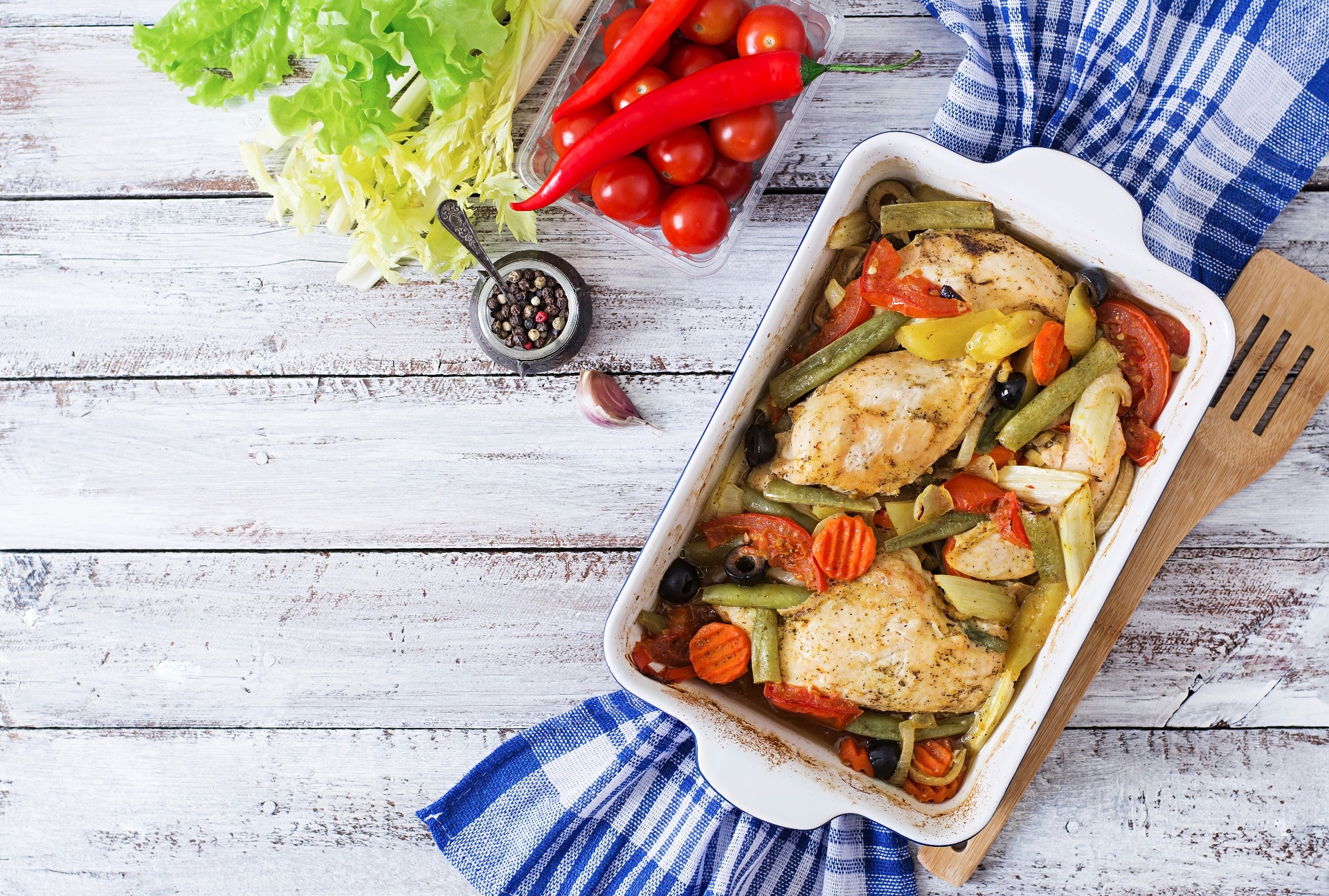
For a more substantial lunch, bake chicken with Low FODMAP vegetables such as carrots or red peppers. Small amounts of higher-FODMAP vegetables (e.g. green beans or mangetout) may be tolerated if portion-controlled.
🍽 Dinner Ideas (Low FODMAP)
1. Pasta Night
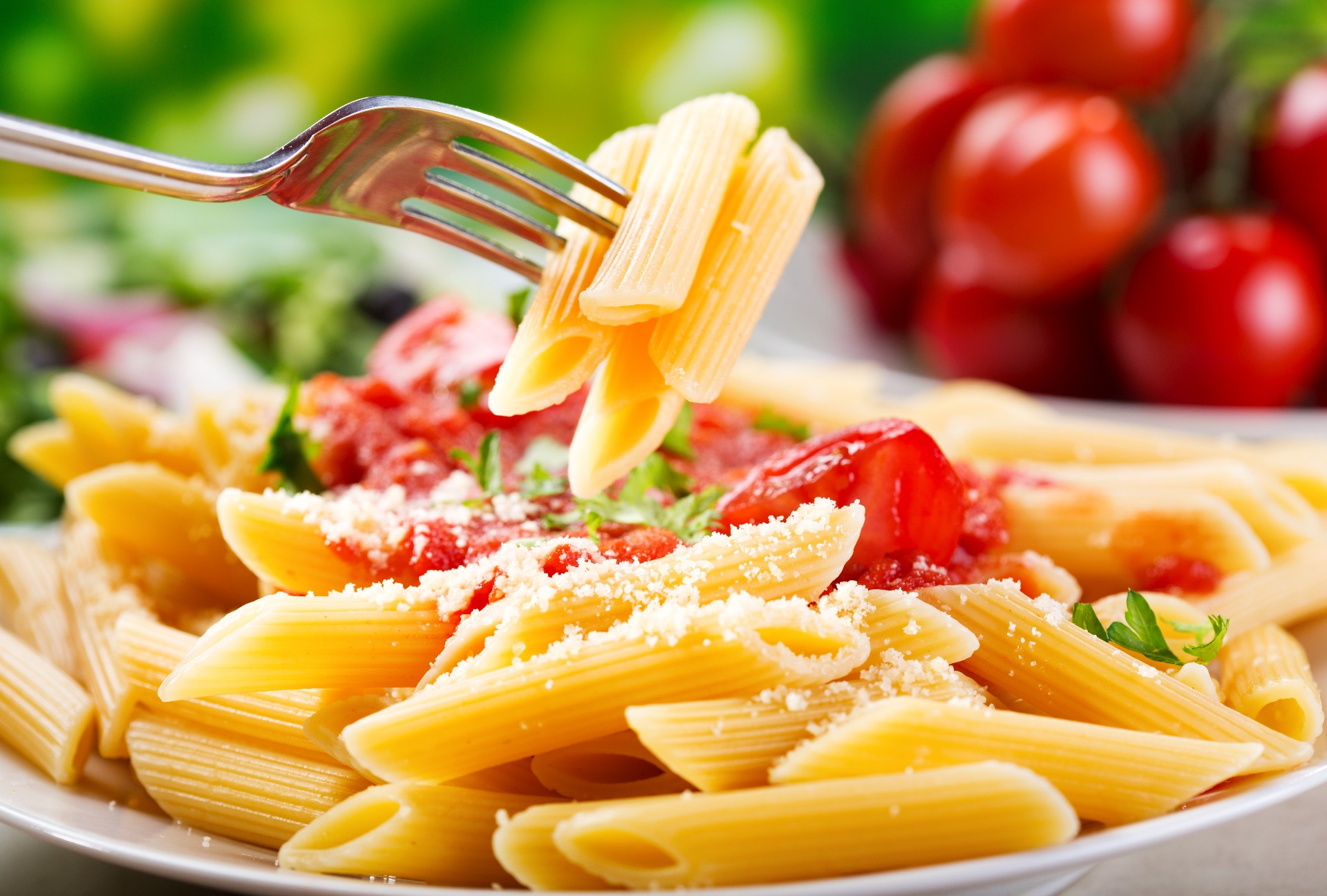
Gluten-free pasta is allowed. Serve with homemade tomato sauce made with basil and parsley, cooked in olive oil with no onion.
Olives and capers add excellent flavour.
Note: gluten-free pastas are ultra-processed, so keep occasional during elimination.
2. Jacket Potato
Top with:
-
a knob of grass-fed butter
-
cheddar cheese
Replace baked beans with a tomato and cucumber salad (although 2 teaspoons of baked beans are allowed per Monash portions).
3. Fish & Chips Alternative
You don't need to miss out entirely.
Options include:
-
polenta batter
-
almond meal
-
sesame seeds
Or simply roast fish with skin on, and bake thick-cut potato wedges with olive oil, salt and pepper. Serve with carrots or courgettes (check portion sizes).
🥘 Chicken in Spinach (Low FODMAP-Friendly, No Onion/Garlic Base)
Ingredients
-
1–2 tbsp extra virgin olive oil (EVO)
-
2 chicken breasts (sliced or left whole for searing)
-
1 handful green olives, finely chopped or ground (pitted)
-
Salt, to taste
-
Black pepper, to taste
-
½ tsp cumin seeds
-
½ tsp chilli powder (adjust to preference)
-
1 large bowl fresh spinach (or frozen, squeezed and drained)
-
1 cup boiling water (or Low FODMAP chicken stock if available)
Optional:
-
Sourdough bread, gluten-free bread or boiled rice for serving (depending on FODMAP phase)
Method
-
Make the Base Sauce
Heat extra virgin olive oil in a pan. Add green olives, cumin seeds, black pepper, salt and chilli powder. Cook gently for 2–3 minutes until aromatic. -
Sear the Chicken
In a separate pan, sear the chicken breasts in a little EVO until lightly browned on both sides. -
Bring It Together
Add the seared chicken and spinach to the olive spice mixture. Pour over 1 cup boiling water and gently stir. -
Simmer
Cover and simmer on low heat for ~15 minutes, until the chicken is tender and cooked through. -
Serve
Pair with boiled rice, sourdough or gluten-free bread depending on where you are in the Low FODMAP phase (elimination vs reintroduction).
🍽 Serving Suggestions
-
During elimination phase → boiled rice or gluten-free bread
-
During reintroduction phase → sourdough or low-FODMAP small potatoes
-
During maintenance phase → sourdough + salad (portion-aware stacking)
🌱 Low FODMAP Notes
✔ No onion or garlic used (common triggers)
✔ Olives + cumin seeds give depth without high-FODMAP ingredients
✔ Spinach is Low FODMAP in standard portions
✔ Rice is naturally Low FODMAP
✔ Sourdough tolerance depends on reintroduction timing
✔ Gluten-free bread can be used but note ultra-processed nature (UPF)
💡 Microbiome/Hormone/Metabolic Angle (Optional Short Insight)
-
EVO oil + olives provide polyphenols that support the microbiome
-
Spinach adds prebiotic fibre + minerals
-
Searing protein first improves flavour + satiety
-
Works well in menstrual + PMT phases (gentle on gut)
-
Avoid onion/garlic → reduces fermentation load for IBS
🧂 Chef-Style Tip
Olives replace onion/garlic complexity surprisingly well because they bring:
-
salt
-
umami
-
acidity
-
mild fat
which balances the spinach and chicken beautifully.
🌾 Extra Tips
1. Alternative Fibre Sources
Options include oats and fruits such as kiwi. Drink plenty of water.
2. Always Check Ingredients
Even gluten-free products may contain high FODMAP ingredients.
3. Cook at Home When Possible
It allows better control.
When eating out, ask for ingredients to be modified.
4. Give the Diet Time
It may take up to 2 weeks to notice changes. Persist for 6 weeks before reintroduction.
5. Travel Tips
Some airlines allow you to specify dietary needs in advance.
As mentioned earlier, following Low FODMAP for 1–2 days before flying (and during travel) can ease IBS symptoms.